Schools
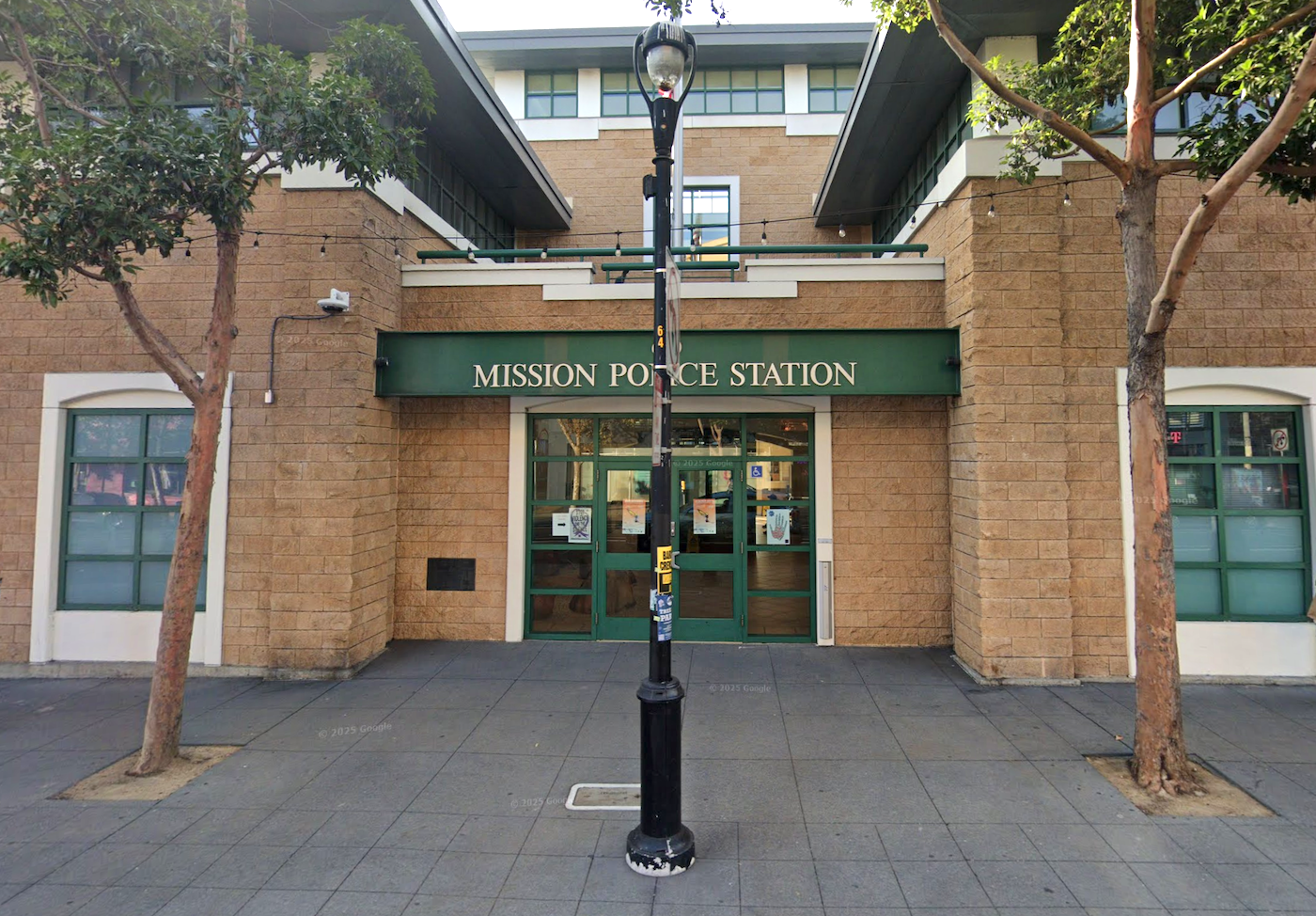
Suspicious Package at SF's Mission Police Station Prompts Valencia Street Closure
By Marcus Chen
Advertisement · Why this ad?
Marcus manages the day-to-day editorial workflow across all brands, coordinating coverage assignments and ensuring editorial standards are met. He previously served as city editor at the Pioneer Press and holds a degree in Political Science from Carleton College.
More from Marcus →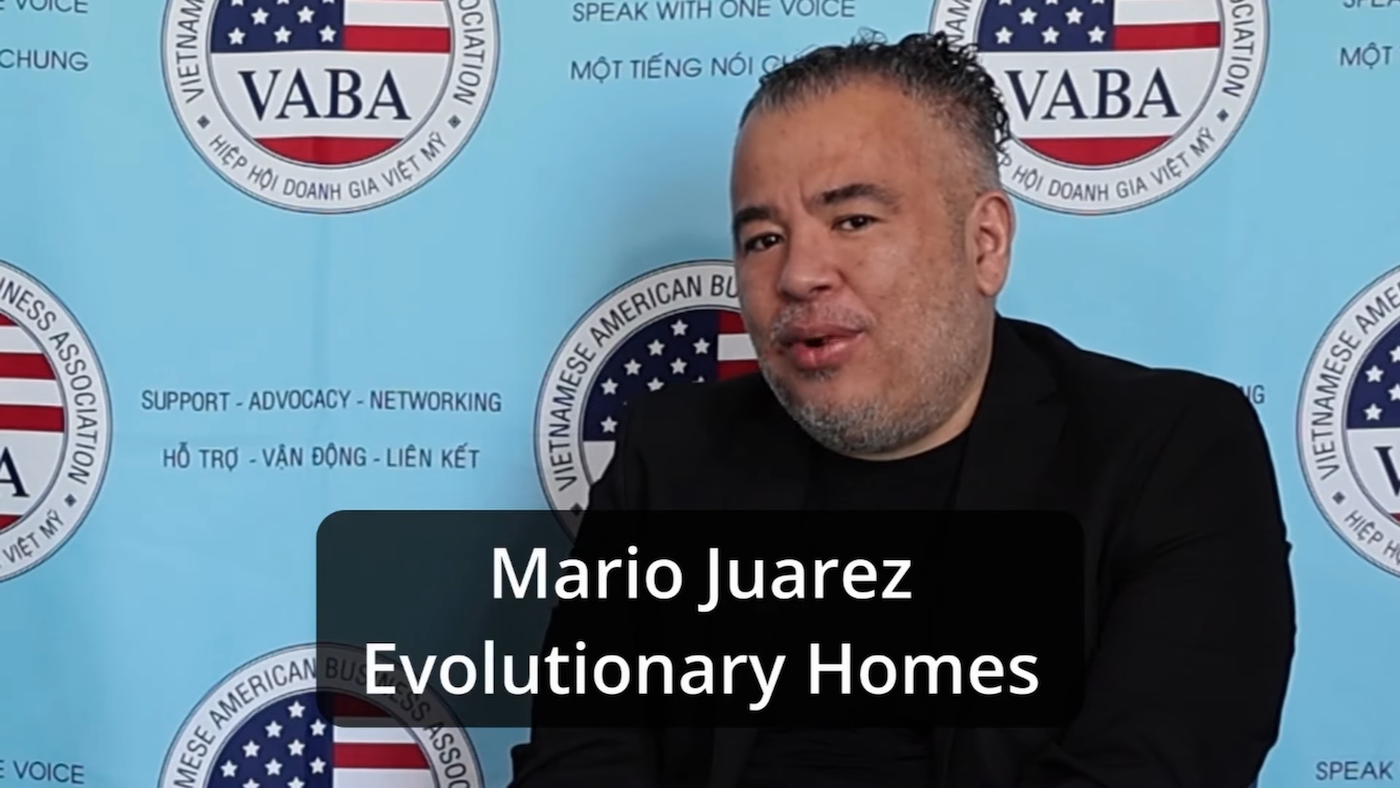
In a dramatic courtroom scene that unfolded in Oakland Federal Court, Mario Juarez, a key witness in the corruption trial of former Oakland Mayor Sheng Thao, recounted the alleged bribery scheme that has captivated the city's attention. Juarez, who previously pleaded guilty to conspiracy to commit bribery, took the stand unexpectedly, shedding light on a multimillion-dollar deal that he claims involved pay-to-play tactics with a local waste management company.
Juarez's testimony centers around his involvement with Evolutionary Homes, a company he co-founded with California Waste Solutions executives David and Andy Duong. The venture aimed to manufacture homes for the unhoused using converted shipping containers in Mexico. According to Juarez, the arrangement with Thao was not just a business opportunity but a calculated effort to secure favorable treatment in city contracts.
Prosecutors allege that Thao, who served as Oakland's mayor from 2021 until her indictment, engaged in a pay-to-play scheme that benefited her and her associates at the expense of the public trust. Juarez described how he was approached about facilitating a deal that would benefit California Waste Solutions, which was seeking lucrative city contracts for waste management services.
During his testimony, Juarez detailed meetings and communications that he had with Thao and the Duong brothers, painting a picture of a network of corruption that extended beyond just financial transactions. He claimed that Thao was aware of the implications of these dealings and how they could impact her political career.
As Juarez recounted his experiences, he painted a vivid picture of the environment surrounding Oakland's city hall. He described how city contracts were often influenced by personal relationships and financial incentives, a system that Juarez claims Thao was all too willing to exploit. "It was about making money and keeping power," he stated, emphasizing the urgency of the situation.
Juarez's testimony also revealed the lengths to which he and his co-defendants went to conceal their actions. He explained how they used coded language in communications and met in discreet locations to avoid detection. This level of secrecy underscores the seriousness of the allegations against Thao and her associates.
Legal experts have noted that Juarez's cooperation with prosecutors could significantly impact the trial's outcome. His firsthand account of the alleged bribery scheme provides a critical perspective that may sway the jury's perception of Thao's actions and intentions.
The unfolding trial has sparked a wave of reactions from the Oakland community, where residents are grappling with the implications of the alleged corruption. Many are concerned about the integrity of their local government and the potential consequences for ongoing projects aimed at addressing homelessness.
Local activist groups have expressed outrage over the allegations, arguing that the corruption undermines efforts to provide essential services to the unhoused population. "We need leaders who prioritize the community over personal gain," said Maria Lopez, a spokesperson for a local nonprofit focused on homelessness. "This trial is a wake-up call for all of us to demand accountability from our elected officials."
Residents have also voiced their frustrations on social media, with many calling for transparency and reform within the city's governance. The trial has become a focal point for discussions about ethics in politics and the need for systemic change in how city contracts are awarded.
Community meetings have been organized in the wake of the trial, where residents gather to discuss the implications of the testimonies and strategize on how to push for reforms. Local leaders emphasize that this moment could be pivotal for Oakland, as it raises questions about the accountability of public officials and the need for community oversight.
Local leaders and politicians have weighed in on the trial, expressing their concerns and hopes for the future of Oakland. Councilmember Nikki Bas, representing a district with a significant number of unhoused individuals, stated, "This trial is about more than just one person; it’s about the integrity of our entire system. We need to ensure that our leaders are held accountable so that we can rebuild trust with our constituents."
Another community leader, activist and former mayoral candidate Cat Brooks, echoed these sentiments, stating, "The people of Oakland deserve a government that works for them, not for corrupt interests. This trial is a chance for us to demand a change in how our city is run and to advocate for policies that truly benefit our community."
As the trial progresses, the prosecution is expected to call additional witnesses who can corroborate Juarez's testimony. Legal analysts suggest that the case could hinge on the credibility of Juarez and whether the jury finds his account convincing enough to establish Thao's culpability.
Defense attorneys for Thao and her co-defendants have indicated they will challenge Juarez's claims, pointing out his guilty plea and potential motivations for testifying against the former mayor. They argue that his testimony may be tainted by self-interest, as he seeks to mitigate his own legal troubles.
The trial is set to continue over the coming weeks, with both sides preparing for a rigorous examination of evidence and witness accounts. The outcome could have significant ramifications not only for Thao but for the broader political landscape in Oakland, where trust in leadership is already fragile.
For residents looking to stay informed and engaged during this trial, several resources are available. The City of Oakland provides updates on local governance and community initiatives, while organizations like Oakland Homeless Outreach focus on addressing homelessness and related issues.
Additionally, residents can participate in community forums and discussions to voice their concerns and opinions regarding local governance. Engaging with local nonprofits and advocacy groups can also help amplify community voices in the wake of the trial.
As Oakland navigates this challenging period, the importance of active civic engagement cannot be overstated. Residents must hold their leaders accountable and advocate for a government that truly represents their interests.
The outcome of the trial against Sheng Thao and her co-defendants will likely influence future elections and governance in Oakland. As the city grapples with issues of trust and accountability, residents are left wondering what kind of leadership they will have moving forward.
Regardless of the trial's outcome, the community's response will play a crucial role in shaping the future of Oakland's political landscape. Activists, residents, and local leaders must come together to demand transparency and integrity in their elected officials.
In the meantime, the trial serves as a reminder of the importance of ethical leadership and the need for a government that prioritizes the well-being of its citizens over personal gain. The stakes are high, and the eyes of the community are firmly fixed on the proceedings as they unfold.
As Oakland moves forward, the implications of this trial extend beyond the courtroom. It has sparked a renewed interest in civic participation, with many residents committing to attend city council meetings and engage in grassroots organizing efforts. This trial could serve as a catalyst for a movement towards greater accountability and reform in local governance, empowering citizens to take a stand against corruption in their city.
By Marcus Chen
By Katherine Langford

By Marcus Chen

By Marcus Chen